7 Tips to Store & Care for Your Imitation Jewellery
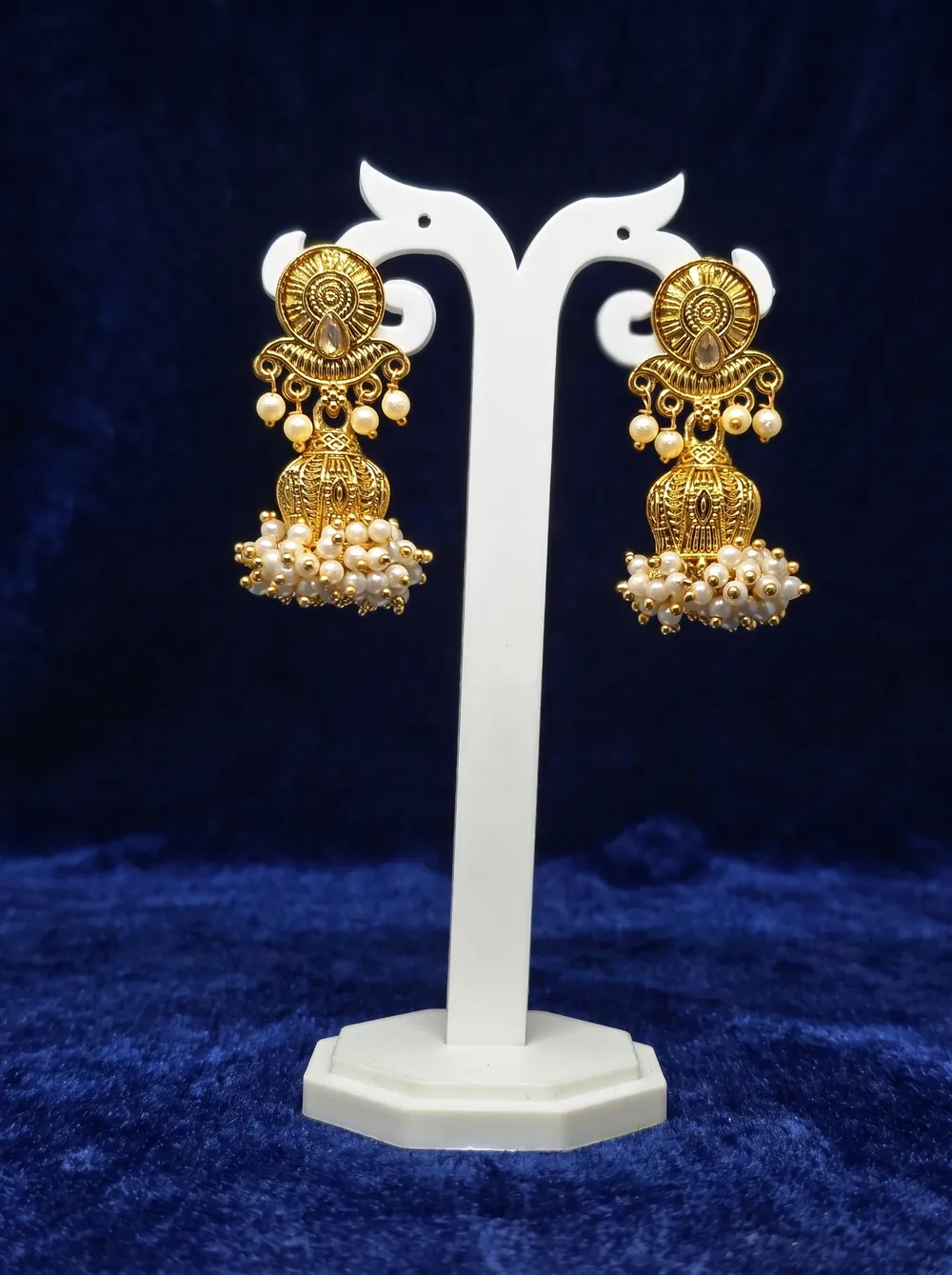
Good gold-plated jewellery can last 3-5 years with proper care - or 3 months without it. The difference is almost entirely in how you store and clean your pieces. Here are seven science-backed tips that work.
1. Keep It Away From Water and Sweat
The fastest way to ruin gold plating is moisture. Always remove your jewellery before bathing, swimming or exercising. Sweat contains salt and acids that eat through plating over time. If a piece does get wet, pat it dry immediately with a soft cotton cloth - never use tissue paper, it leaves fibres in the settings.
2. Store Each Piece Separately
Metal-on-metal contact causes micro-scratches. Store each necklace, pair of earrings and set of bangles in its own soft pouch or compartment. A simple jewellery box with individual velvet-lined slots is worth every rupee. Never toss multiple pieces into one drawer.
3. Use Anti-Tarnish Strips
Those little black paper strips that come with new jewellery are not packaging filler - they are anti-tarnish strips that absorb sulphur and moisture from the air. Keep them in your jewellery box and replace them every 6 months. You can buy packs of 50 online for under ₹200.
4. The Plastic Bag Trick
For long-term storage, place each piece in a small zip-lock plastic bag and squeeze out as much air as possible before sealing. Less air means less oxidation. This is the same principle museums use to preserve metal artefacts.
5. Never Spray Perfume Directly on Jewellery
Perfume, deodorant and hairspray contain alcohol and chemicals that dull gold plating instantly. The golden rule: jewellery goes on last, after all your cosmetics are dry. If you wear a necklace with perfume on your neck, the plating will fade in that exact spot within weeks.
6. Clean Gently With a Dry Cloth
For everyday cleaning, a dry microfiber or soft cotton cloth is all you need. Rub gently in one direction - never scrub in circles. Avoid liquid jewellery cleaners; most contain ammonia which strips gold plating. If a piece needs deeper cleaning, use a slightly damp cloth with a single drop of mild soap, then dry thoroughly.
7. Rotate Your Collection
Wearing the same necklace every day wears it out faster. Rotate between 3-4 everyday pieces so each gets rest days. This is especially important for gold-plated chains which experience the most friction against skin and clothing.
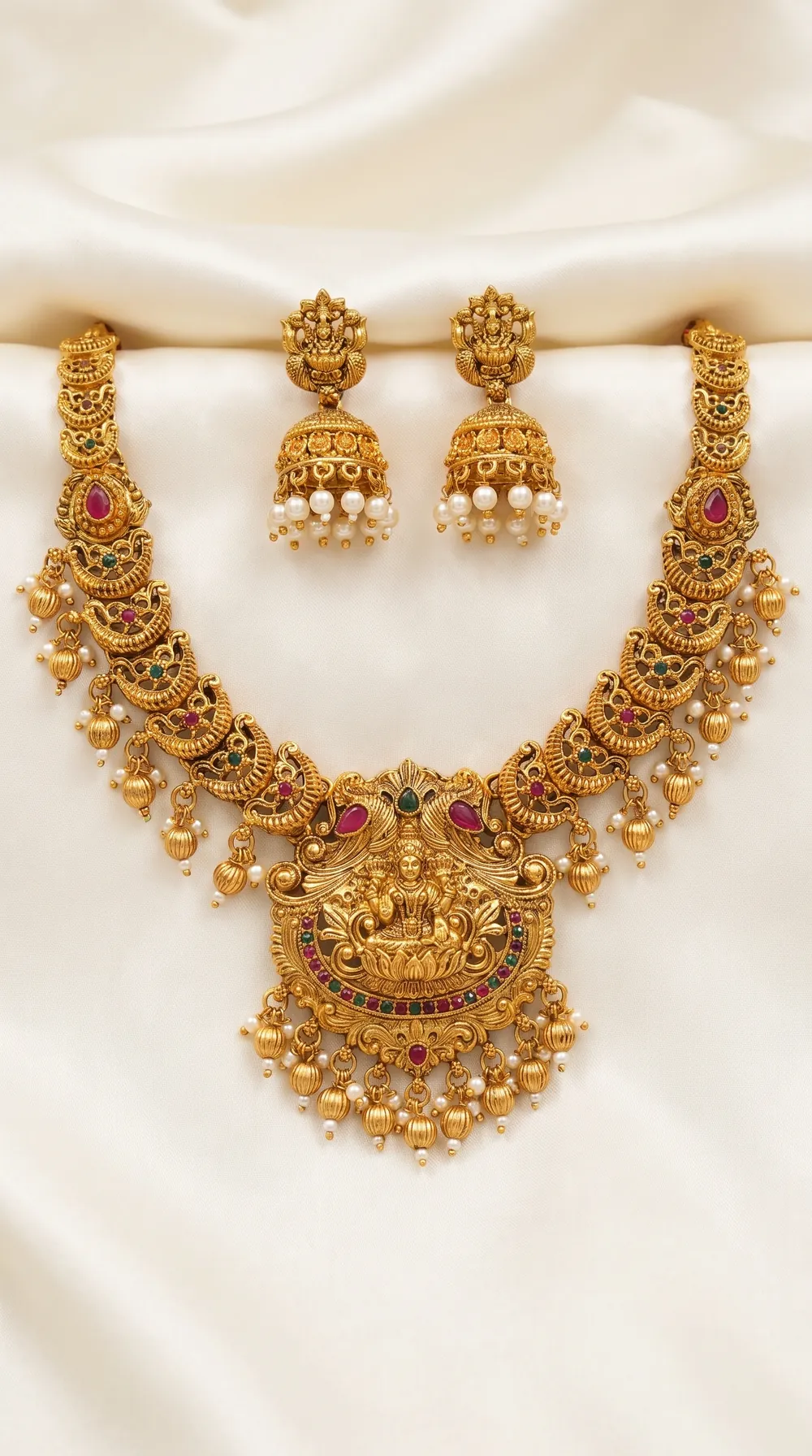
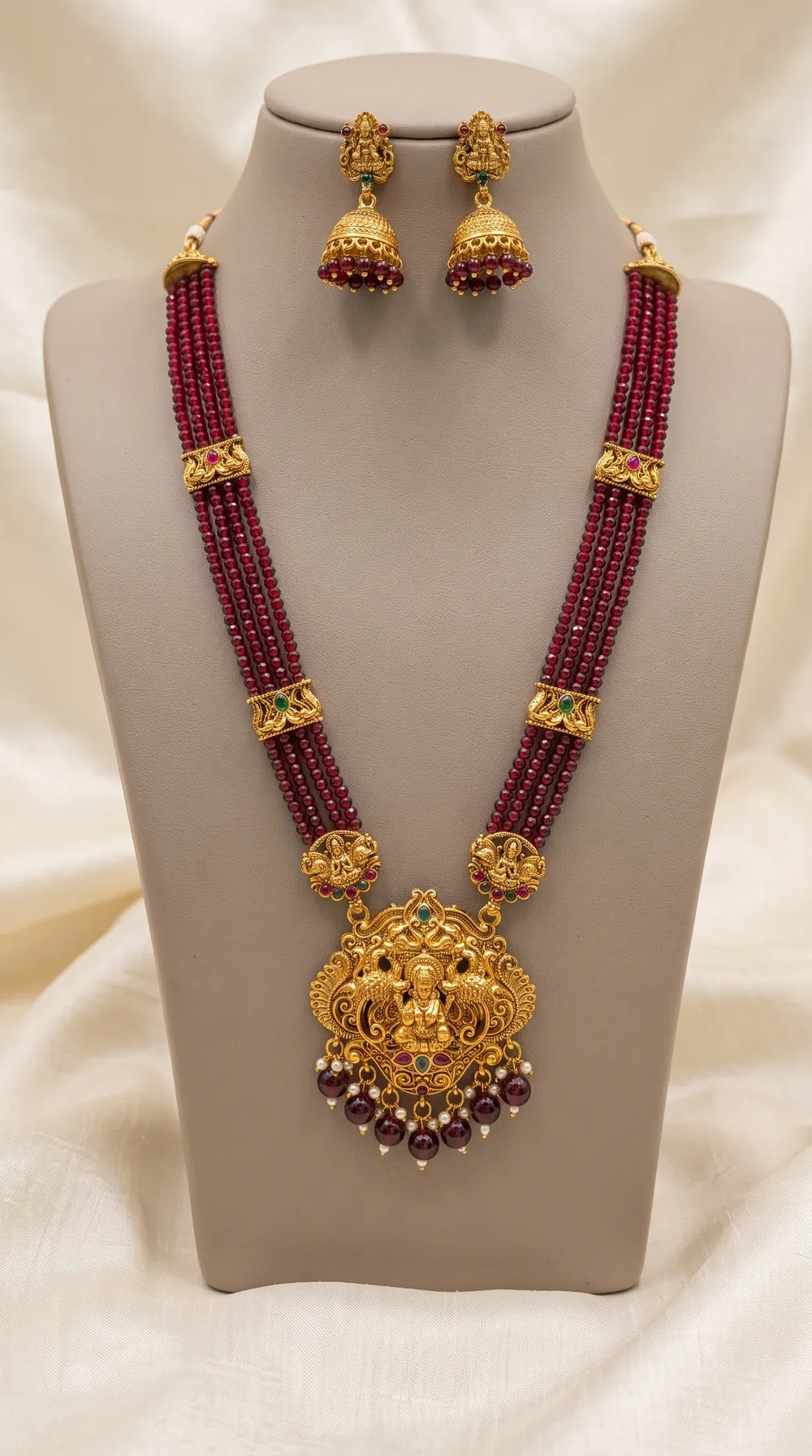
Our pieces are crafted on a Zamak base with high gold plating - designed to last. Follow these seven habits and your favourite Saubhagya set will look fresh at every occasion.
Can imitation jewellery get wet?
It should not. Water — especially chlorinated pool water, seawater and soapy water — attacks the plating and reaches the base metal underneath, which is what causes darkening and a green tinge. Take jewellery off before bathing, swimming or washing hands, and dry it immediately if it does get wet.
Why does imitation jewellery turn skin green?
Copper in the base metal reacting with sweat and moisture on the skin. The green mark is copper salt, not an allergy, and it washes off. It happens once the plating has worn through at a contact point, which is why it tends to appear on ring bands and bangle edges first. Clear nail varnish on the inner surface slows it down.
How do you store imitation jewellery?
Each piece in its own pouch or sealed bag, somewhere dry, with the air pressed out. Loose storage lets pieces scratch each other; open air and humidity speed tarnishing. A silica gel packet in the box absorbs the moisture that remains. Store necklaces flat rather than hanging.
How do you clean tarnished imitation jewellery?
Gently, and dry. Wipe with a soft cotton cloth; for stubborn marks, a cloth barely dampened with water, then dried at once. Never use silver polish, toothpaste, lemon or vinegar — the home remedies that work on solid silver strip plating off imitation pieces and make the damage permanent.
Shop this look
Keep reading
- Storing jewellery through an Indian monsoon
- Gold-plated vs one gram gold: what you are buying
- Matte or glossy gold: which finish to choose
- Real gold vs gold-plated: how to tell the difference
- Caring for matte antique-gold finishes