Blogs
Styling notes, craft stories and bridal inspiration from Saubhagya.
Latest from the journal
Showing 1–12 of 138 · page 1 of 12
 12 Sept 2026
How to Budget Indian Bridal Jewellery Without Regretting It
Which pieces are worth the money, which get worn once, and where imitation makes sense next to real gold. A spending order rather than a shopping list.
Read → 12 Sept 2026
The Indian Bridal Jewellery Checklist, Function by Function
Every piece, what it is for, and which functions need it. Built as a list you can work through rather than an article about weddings.
Read → 12 Sept 2026
Choosing Earrings for Your Face Shape, Without the Nonsense
Most face-shape advice is invented. Two rules actually hold up, and they are about proportion rather than geometry.
Read →- 12 Sept 2026
Engagement Jewellery: What to Wear When the Ring Is the Point
At an engagement the camera is on your hands. How to dress the rest without competing with the ring, and why this is the occasion to under-do it.
Read →  12 Sept 2026
Giving Jewellery as a Gift in India: What Actually Lands
Who you can give jewellery to, what it signals, and the three mistakes that turn a good gift into an awkward one.
Read →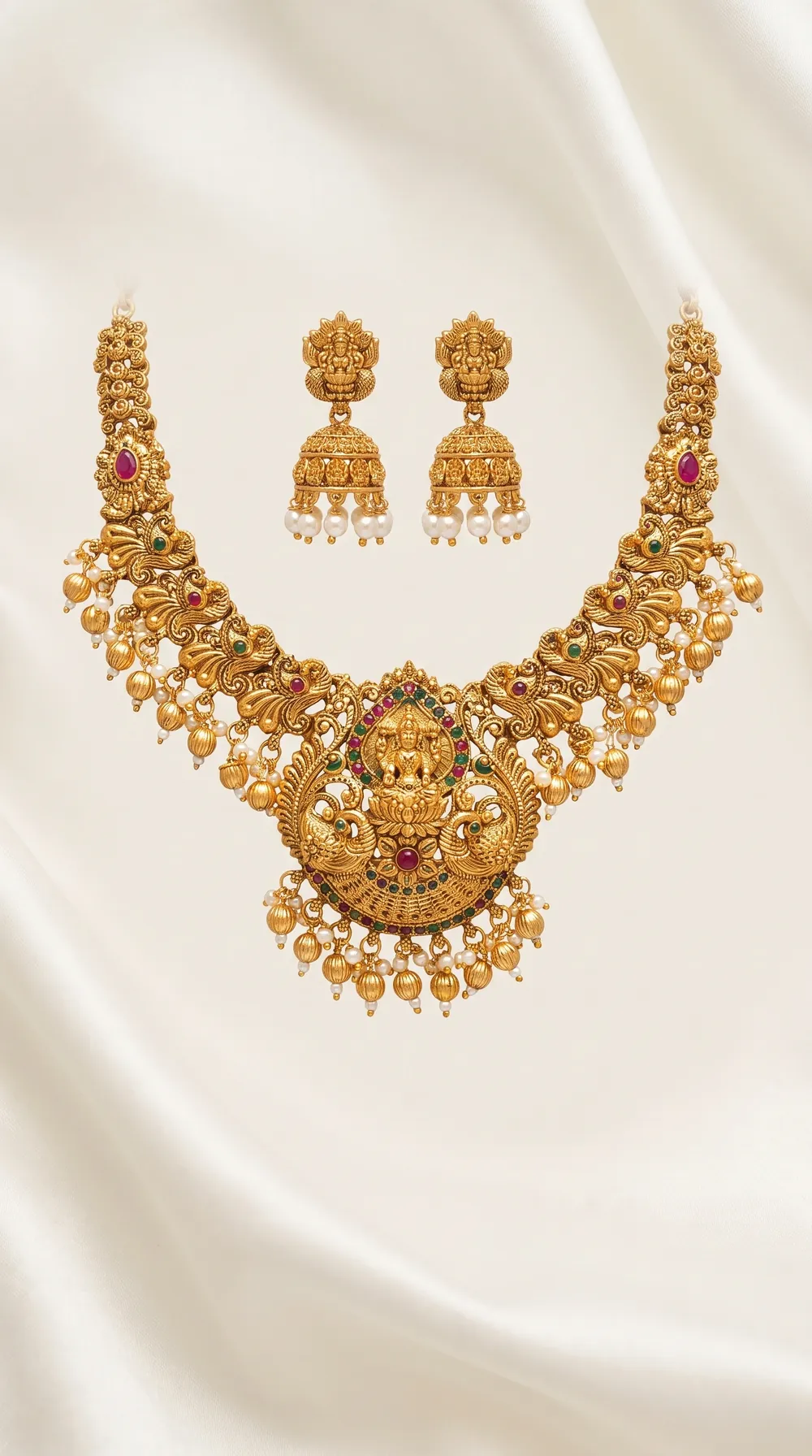 12 Sept 2026
Gold-Plated vs One Gram Gold: What You Are Actually Buying
One gram gold, rolled gold, gold-plated and gold-filled are four different things sold under overlapping names. What separates them, and which claims to distrust.
Read →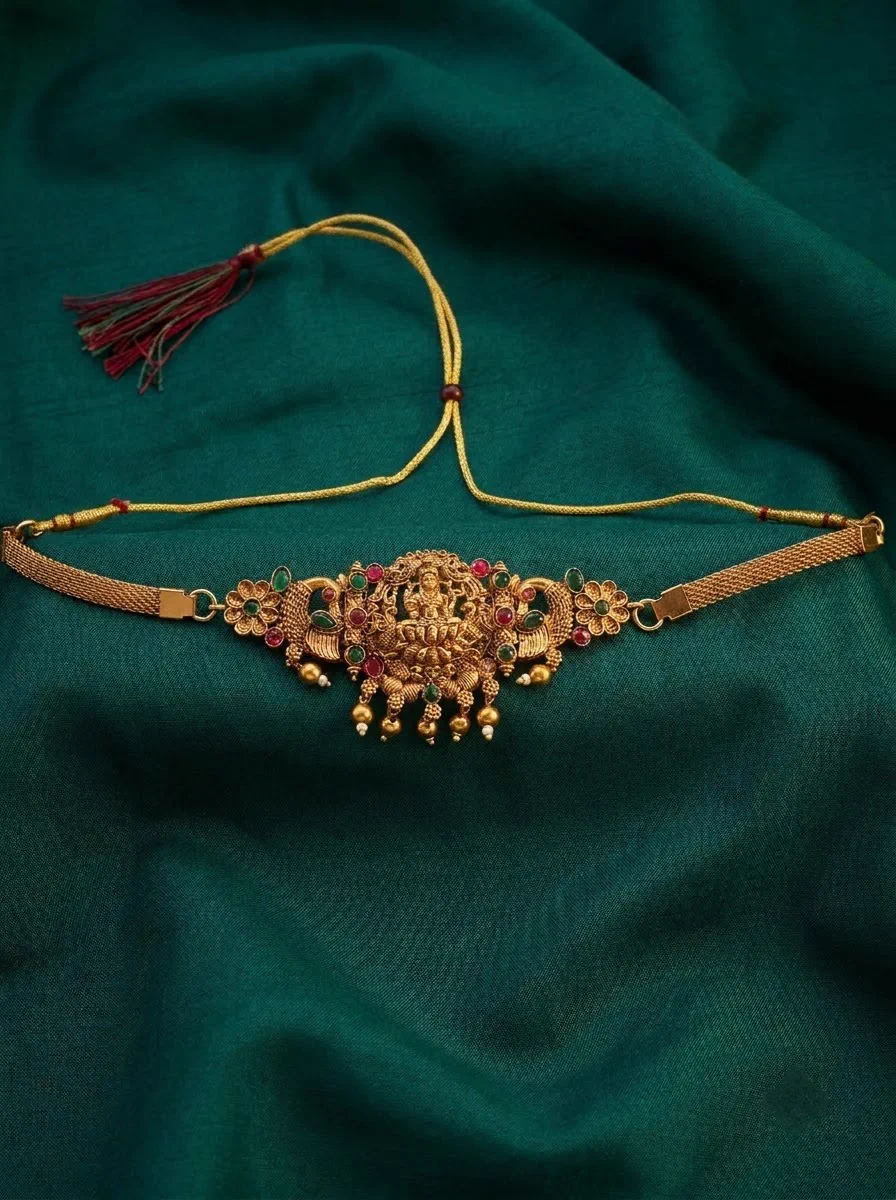 12 Sept 2026
Griha Pravesh Jewellery: Dressing for a House Warming Puja
A morning puja in a house with no furniture, where you are hosting and moving constantly. The jewellery that survives it, and what to give as a gift.
Read → 12 Sept 2026
Haldi Jewellery: What Survives Turmeric
Turmeric stains, the function is outdoors in daylight, and people will throw things at you. What to wear, and much more importantly what to leave in the box.
Read →- 12 Sept 2026
How to Clean Imitation Jewellery Without Ruining It
Four things people use to clean plated jewellery that take the plating off, and the one method that does not. Short, because there is not much to it.
Read → 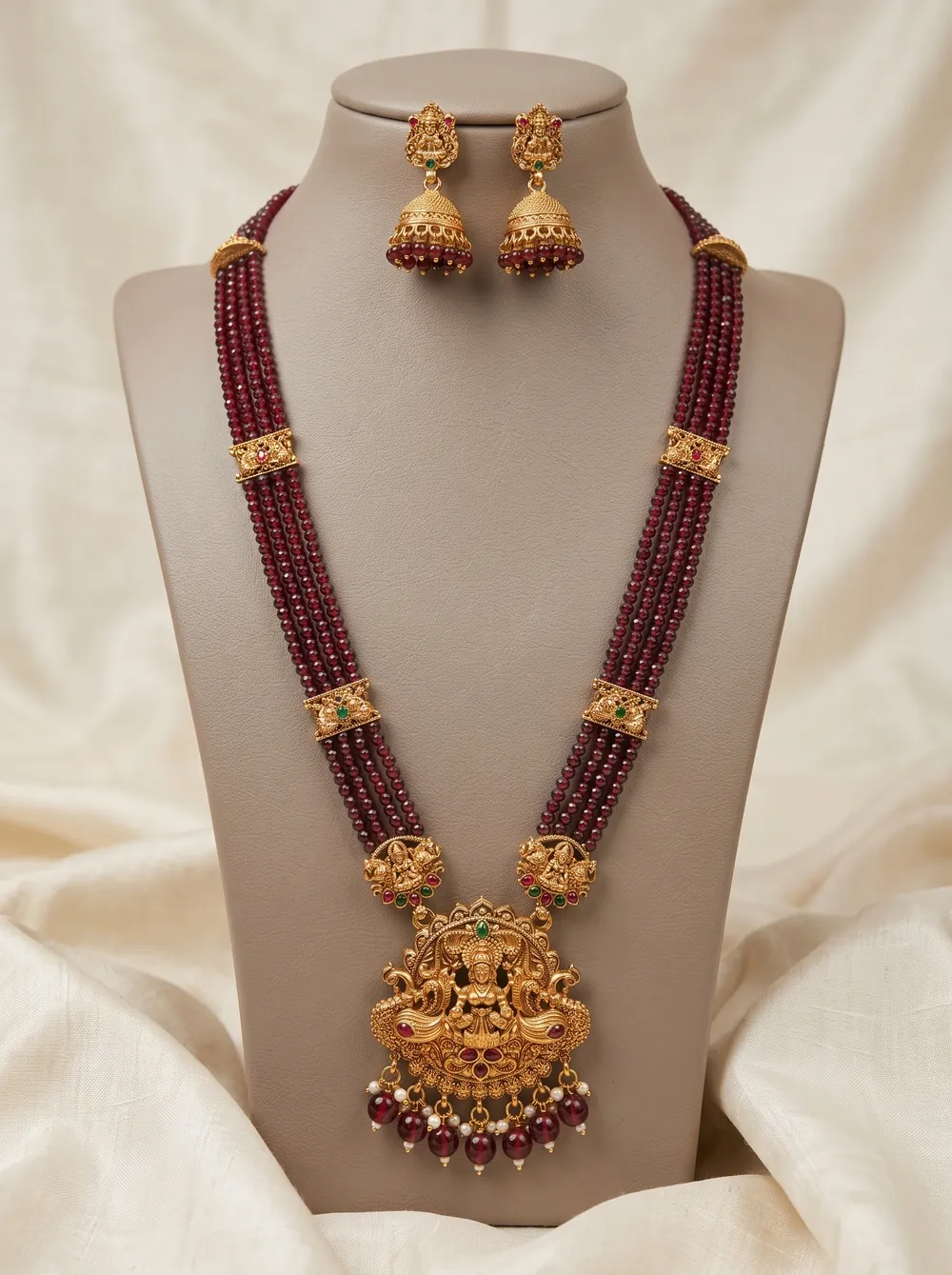 12 Sept 2026
How to Photograph Jewellery on Yourself (Without a Studio)
Why your pieces look better in person than in your photos, and the four things that fix it. Written for a phone camera and an ordinary room.
Read →- 12 Sept 2026
Is Imitation Jewellery Worth Buying?
An honest answer from a shop that sells it, including the three situations where the answer is no.
Read → - 12 Sept 2026
Wearing Indian Jewellery to the Office Without Overdoing It
Most Indian jewellery is built for occasions. What works on an ordinary Tuesday, what does not, and why the answer is usually one piece rather than a set.
Read →
How to style temple jewellery beyond the wedding
Temple jewellery is not only for the mandap. A matte antique-gold choker over a plain silk kurta lifts a festive dinner instantly; matte jhumkas with a cotton saree work for pujas and office celebrations alike.
Kundan vs Polki: what brides should actually compare
Kundan settings hold flat, foiled glass stones in gold-toned frames for a formal, structured sparkle; Polki-style pieces use uncut-look stones for a raw, older-world glow.
Caring for matte antique-gold finishes
Imitation jewellery lasts years with three habits: wear it last, wipe it with a dry soft cloth before storing, and keep each piece in its own zip pouch so platings never rub.
Choosing a bridal set that survives a 6-hour event
Weight decides comfort: pick a haaram that sits below the collarbone, earrings with ear-chain support if they cross 40 grams, and a maang tikka with a hook - not a paste patch.
Punjabi wedding jewellery: what a bride actually wears
From chooda and kalire to jhumka and choker - the full Punjabi bridal jewellery checklist, and how to layer gold-plated pieces without the weight of a long baraat day.
Bengali bride jewellery: champakali, tikli and the right jhumka
Champakali and chik necklaces, the tikli at the hair parting, and long jhumkas - the East Indian bridal set explained for brides everywhere.
Maharashtrian jewellery: nath, kolhapuri saaj and tanmani
The nath nose ring, the layered kolhapuri saaj and the tanmani pendant - how the West Indian festive set pairs with paithani and nauvari sarees.
South Indian temple jewellery: jhumkas, kasulaperu and kemp
Temple jhumkas, coin necklaces and kemp stones - the South Indian pieces every bride and festive lover should know, styled over silk sarees.
For daily inspiration, follow us on Instagram and Pinterest.