Punjabi wedding jewellery: what a bride actually wears
A Punjabi bridal look is built in layers: the red and ivory chooda with kalire, a maang tikka sitting at the parting, a choker or raani haar at the neck, and long jhumkas that swing with the lehenga. The rule is fullness, not heaviness - the baraat and pheras run for hours, so weight matters more than sparkle.

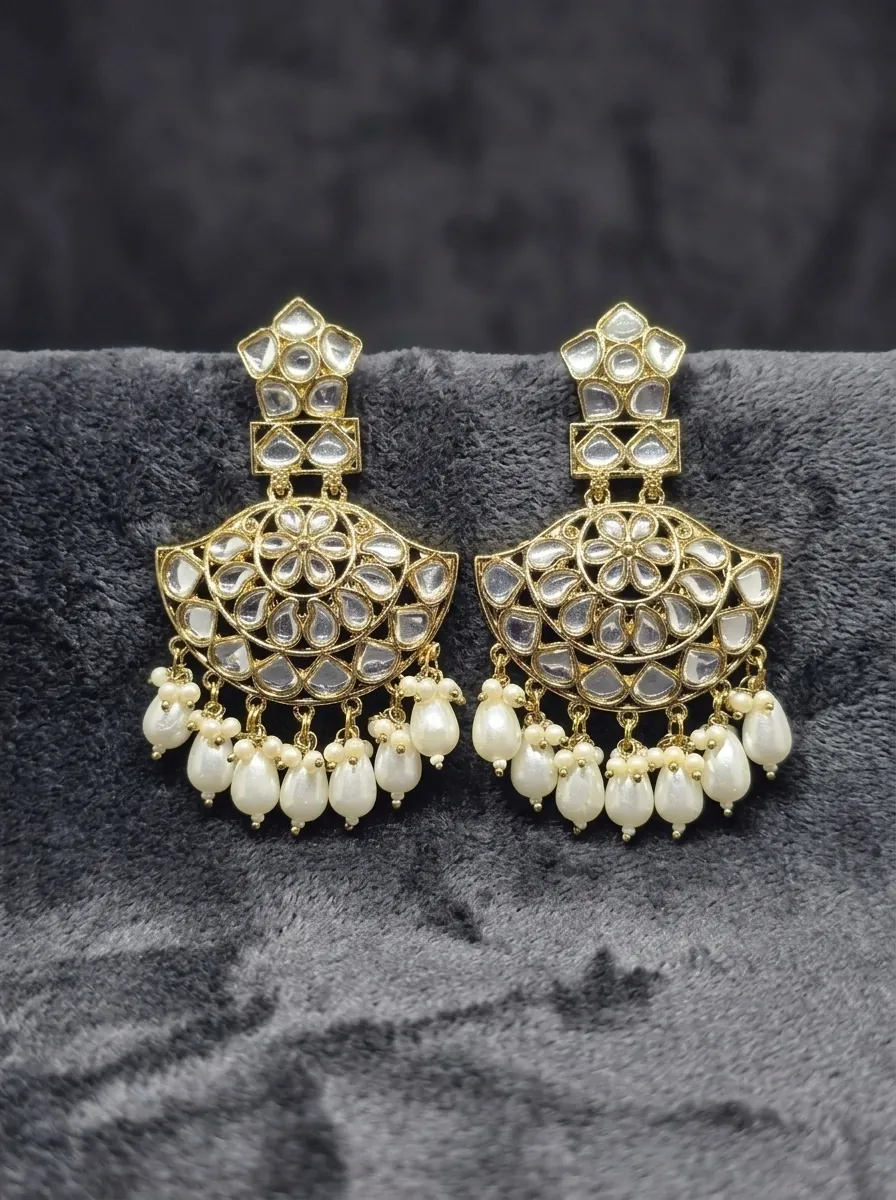
Start with the earrings. Jhumka and chandbali styles sit well with the high Punjabi bun and the dupatta pinned at the shoulder. Kundan and meenakari finishes photograph clearly against red, maroon and gold lehengas, while antique-gold tones suit pastel and ivory outfits better.
Layering the neckline
A single heavy necklace can feel like too much by the second hour. Most Punjabi brides wear one structured choker close to the neck, then let the dupatta and blouse do the rest. If the blouse is embroidered, keep the necklace simple; if it is plain, a wider raani haar balances the frame.
Matching the set
Keep the metal tone consistent - all gold or all antique - so the set reads as one piece in photos. Our bridal and festive necklaces pair naturally with jhumka earrings from the same family, and every piece is gold-plated so the full look stays light enough for a full day of functions.
Browse our jhumka earrings and bridal and festive necklaces for Punjabi wedding styling, or WhatsApp us your lehenga photo for a matching recommendation.
What jewellery does a Punjabi bride wear?
The defining pieces are the chooda — red and ivory bangles worn from the wedding day — and the kalire, gold-toned ornaments that hang from the chooda. Around them sit a maang tikka or passa at the hairline, a choker or raani haar at the neck, jhumkas or chandbalis, and often a nath.

What are kalire and why are they shaken?
Kalire are dome and leaf shaped ornaments tied to the bride's chooda by her sisters and friends. At the end of the ceremony she shakes them over the heads of unmarried women, and whoever a kalira falls on is said to marry next. They are meant to be heard and to move, which is why they are hollow and light.
How long is a chooda worn?
Traditionally for forty days, though many brides now wear it for a shorter period. That matters for the rest of the jewellery: a bride wears her chooda to every post-wedding function, so the other bangles and bracelets she adds need to sit with red and ivory, not compete with them.
Should a Punjabi bride wear a choker or a raani haar?
Usually both, at different heights, and that is what makes the look read as Punjabi rather than generic bridal. The choker sits high and wide at the throat; the raani haar falls long, often to the waist. With a heavily embroidered lehenga, choose a choker with a clean outline so the neckline does not blur into the embroidery.
What is a passa?
A passa is a side ornament worn at the parting, fanning out over one side of the head rather than hanging at the centre like a maang tikka. It is associated with Muslim and Punjabi bridal styles and is often worn with a tikka. A passa photographs strongly from one side, which is worth knowing when planning portraits.
Shop this look
Keep reading
- Choosing a bridal set that survives a 6-hour event
- Jhumka vs chandbali: which earring suits you
- Temple vs Kundan: which suits your wedding
- Bengali bridal jewellery: champakali, tikli and the jhumka
- Kundan vs Polki: what brides should actually compare
- The Indian bridal jewellery guide