Brass vs Zamak: What Artificial Jewellery Is Made Of
Under the gold plating, every piece of artificial jewellery has a base metal. The two most common in Indian imitation jewellery are brass and Zamak. People search "is brass jewellery good" and "what is Zamak" because sellers often do not explain the difference. Here is a plain explanation, and an honest note on what ours is made of.
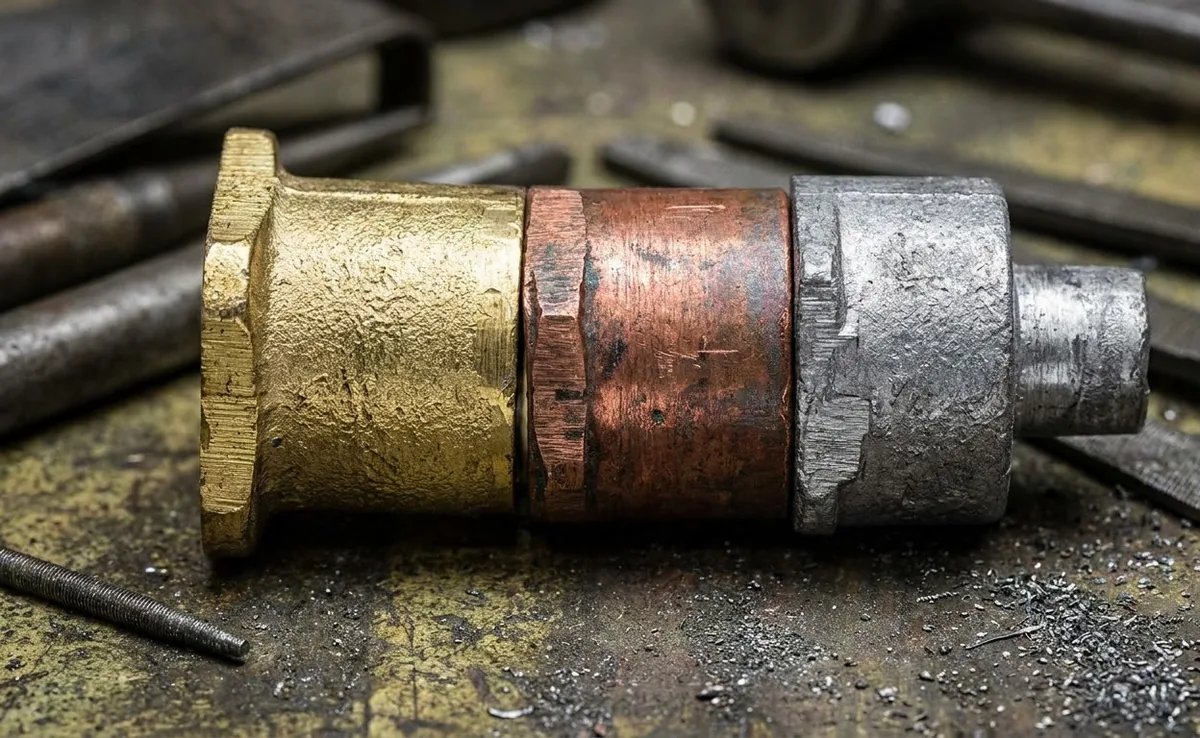
What is brass jewellery?
Brass is an alloy of copper and zinc. It has a warm yellow colour, is fairly hard, and has been used in Indian jewellery and utensils for centuries.
- Pros: strong, holds plating well, has a gold-like colour even where plating wears.
- Cons: heavier and more expensive than Zamak; can darken (tarnish) with moisture over time.
- Where you see it: many temple, Kundan and one-gram-gold style pieces, and plain brass jewellery with no plating.
What is Zamak?
Zamak (also spelled Zamac) is a family of zinc alloys containing small amounts of aluminium, magnesium and copper. The name comes from the German initials of those metals. It is widely used for die-casting because it melts at a low temperature and flows into fine moulds.
- Pros: captures very fine detail, such as faces, feathers and petals; lighter than brass; consistent castings.
- Cons: must be plated and finished well; the base colour is grey, so worn plating shows.
- Where you see it: detailed cast jewellery, including a great deal of Indian temple and antique jewellery.
Every piece we sell has a Zamak base, antique gold-plated, with hand-set stones. We say this on every product page because you should know what you are buying.
Brass vs Zamak side by side
- Weight: brass is heavier; Zamak is lighter, which is kinder to earlobes.
- Detail: Zamak casts finer detail; brass is often stamped or cast more simply.
- Price: Zamak pieces usually cost less.
- Wear: both depend on the quality of the plating and how you care for the piece.
Neither is "better" in every way. Judge the finish, the detail and the seller's honesty.
Does it tarnish?
Any plated jewellery can tarnish when moisture, sweat and chemicals reach the base. Keep pieces dry, away from perfume, and stored in a pouch. Read what tarnishes gold-plated jewellery.
Sensitive skin
Some people react to certain metals. If you have sensitive skin, wear a new piece for a short time first and stop if you notice irritation.
Is brass jewellery good for skin?
Brass contains copper, and copper can react with sweat and leave a green mark on some people's skin. It is harmless in most cases and washes off, but it can be annoying. Plating and a protective coating reduce contact with the base metal. If your skin reacts to a piece, stop wearing it. Read how to stop earrings turning your ears black.
Does brass jewellery tarnish?
Yes. Uncoated brass darkens over time with air and moisture, which some people like as a "vintage" look. Plated brass is protected by the plating until it wears. Keep it dry, and wipe it after wearing.
Is brass jewellery waterproof?
No. Water speeds up tarnish on both brass and Zamak, and wears plating faster. Take off plated jewellery before bathing, swimming or washing dishes.
Other base metals you will see
- Copper - soft, warm-coloured; used for some traditional and oxidised pieces.
- Alloy / white metal - a general term for various low-cost metal mixes; ask the seller what it contains.
- Silver - a precious metal, not a base metal; used for real silver and silver-gold-plated jewellery.
- Stainless steel - common in western fashion jewellery; strong and durable, but hard to cast in fine traditional detail.
How to tell what base metal a piece is
- Ask the seller - the simplest and most reliable way.
- Check worn spots - yellowish metal under the plating suggests brass; grey suggests Zamak or alloy.
- Weight - brass is noticeably heavier than Zamak for the same size.
Why we tell you the base metal
The base metal decides weight, detail and how the piece ages. You should know it before you buy, which is why every product page on our site names it. Read artificial vs imitation vs fashion jewellery.
Frequently asked questions
Is brass jewellery good?
Yes, it is durable and holds plating well, though heavier than Zamak.
What is Zamak jewellery?
Jewellery cast from Zamak, a zinc alloy that captures fine detail and is then plated and finished.
Is Zamak good for jewellery?
Yes, for detailed cast designs, when it is well plated and finished.
Browse temple jewellery sets.