Complete Indian Bridal Jewellery Guide 2026
An Indian bride's jewellery is never just accessories - every piece carries tradition, symbolism and generations of craftsmanship. Whether you are shopping for yourself or helping a friend, here is a piece-by-piece guide to building a complete bridal set.

Maang Tikka
Sits at the centre parting of the hair, falling onto the forehead. The maang tikka represents the third eye and is traditionally the first piece a bride puts on. Choose a design that complements your matha patti or wear it solo for a minimalist bridal look. Hook-back styles are more secure than paste-on ones for long ceremonies.
Rani Haar & Long Necklace
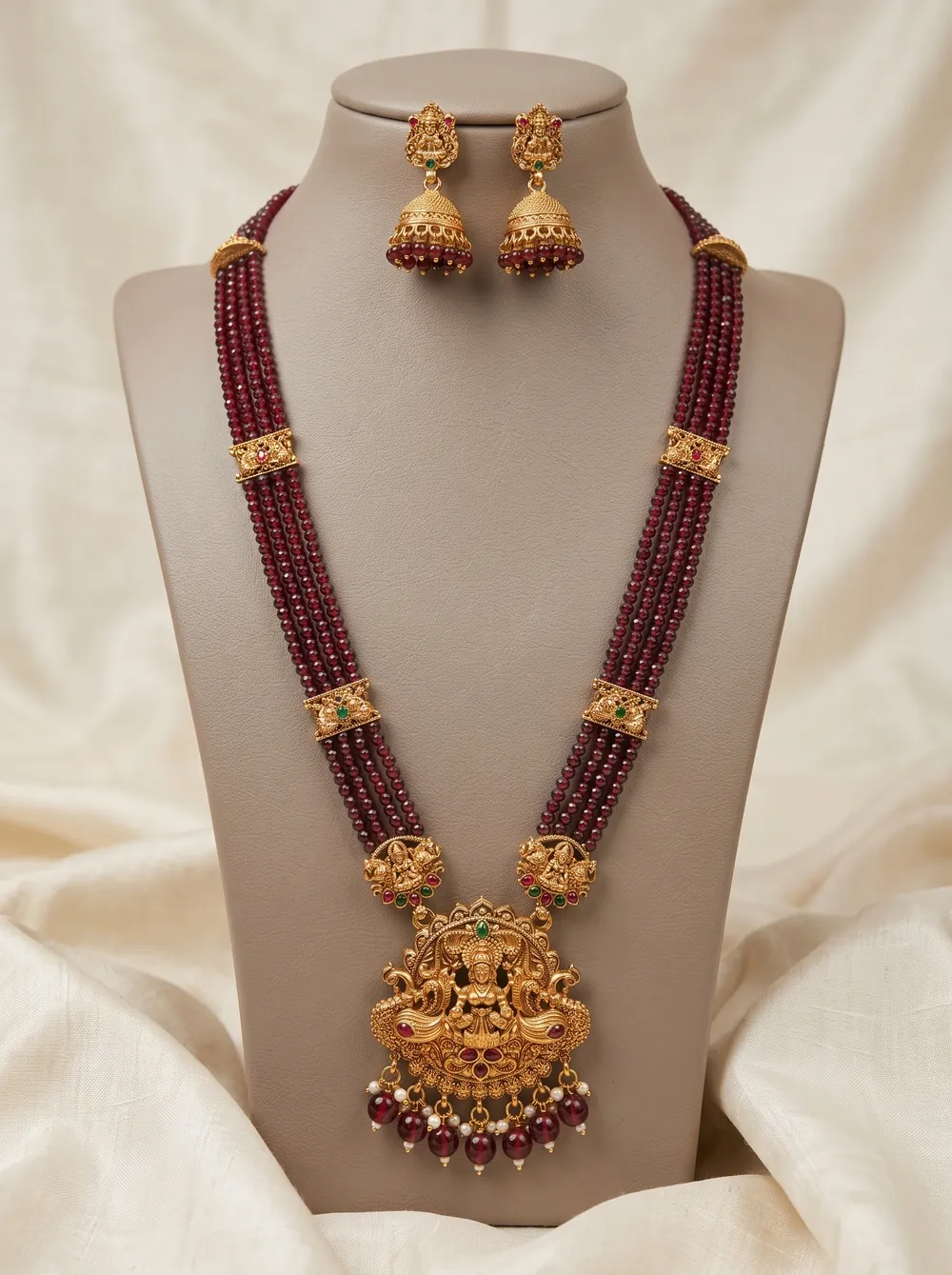
The statement piece. A rani haar or long haram hangs below the bust line and pairs beautifully with a deep-neck blouse. For imitation bridal jewellery, opt for high gold-plated Zamak alloy - it mimics the weight and drape of real gold without the cost. Layer it with a shorter temple choker for the classic South Indian bridal stack.
Choker
Sits snug at the base of the neck. A kundan or polki-style choker frames the face beautifully in photographs. Budget-friendly tip: a well-made gold-plated choker costs ₹500-800 while a real gold equivalent would be 40-50 times that.
Jhumkas & Earrings
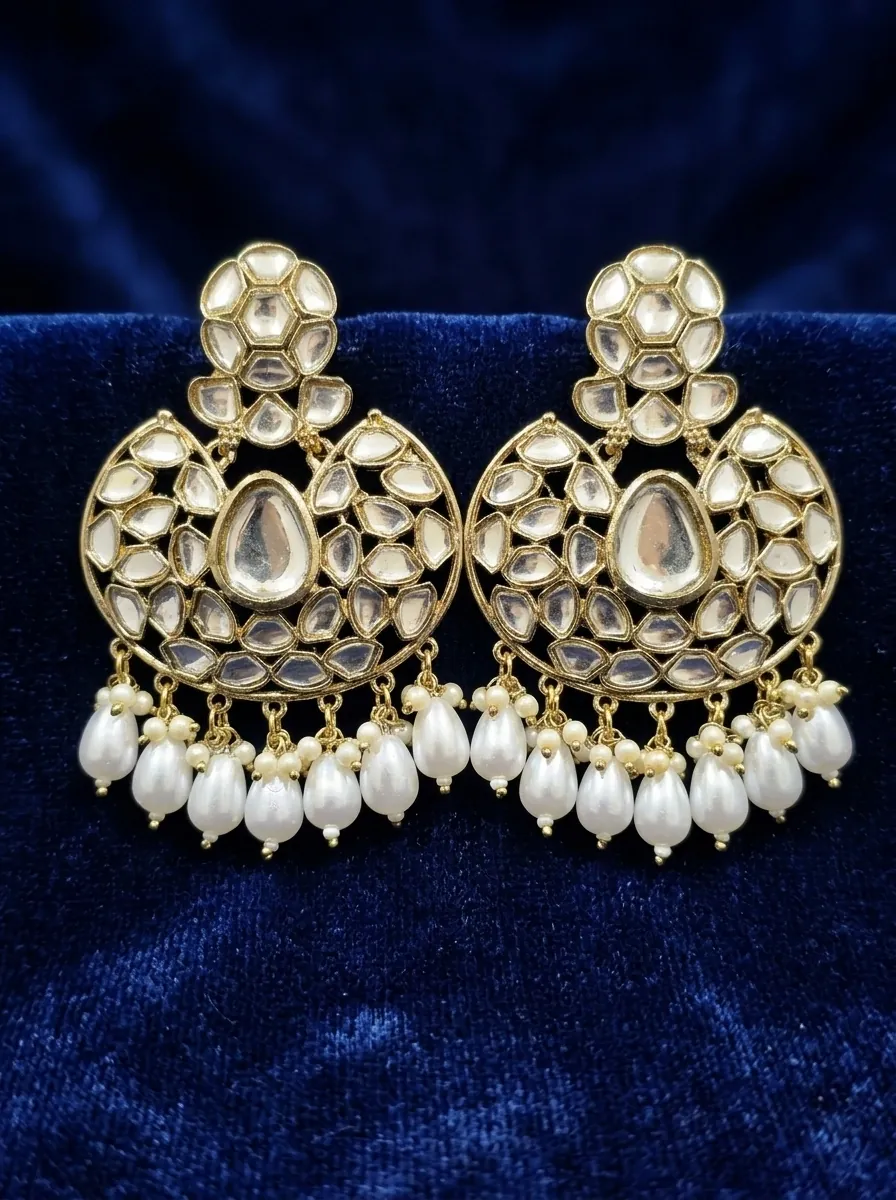
The heavier the jhumka, the more regal the look - but make sure the weight is supported by an ear chain, not just the lobe. Temple-style jhumkas with peacock or Lakshmi motifs are perennially popular for South Indian brides. Expect to spend ₹200-400 for a good gold-plated pair.
Nath (Nose Ring)
A traditional Maharashtrian and North Indian bridal element. Large naths connect to the hair with a chain for support. If a full nath feels too heavy, a simple stud with a pearl drop is a modern alternative that still photographs well.
Bajuband (Armlet)
Worn on the upper arm, a bajuband adds a royal touch - especially with sleeveless or cap-sleeve blouses. Most bridal sets include a matching pair. Opt for adjustable chains so it stays put through the ceremony.
Kamarbandh (Waist Chain)
A kamarbandh cinches the saree at the waist and is especially striking with Kanjeevaram silks. Temple-design kamarbandhs with coin drops are trending in 2026. Gold-plated versions start around ₹600.
Anklets & Toe Rings
Silver-toned anklets (payal) are traditional for brides - the gentle sound is considered auspicious. Toe rings (bichua) are worn on both feet as a symbol of marital status in Hindu tradition.
Budget Guide (Imitation Bridal Set)
A complete high-quality gold-plated bridal set - maang tikka, rani haar, choker, jhumkas, nath, bajuband, kamarbandh and anklets - can be assembled for ₹3,000-5,000. That is less than one gram of real gold today. And the best part: no security guard needed at the wedding.
Browse our hand-finished collections or WhatsApp us your outfit photo - we will help you build the perfect bridal set.
What jewellery does an Indian bride wear?
A full Indian bridal set usually includes a maang tikka, a choker, a longer necklace or raani haar, earrings, a nath, bangles or kadas, armlets, a waist belt, anklets and toe rings. The exact set varies by region — a Punjabi chooda, Bengali shakha-pola, South Indian vanki and oddiyanam — but most brides wear some version of each.
How many pieces are in a bridal jewellery set?
A necklace-and-earrings set is the core, but a complete bridal look commonly runs to nine or ten separate pieces. Few brides buy them all as one matching set; most combine a main necklace set with family pieces and a few individual additions, keeping the metal tone consistent so the whole reads as one.
Should bridal jewellery match the lehenga or saree?
Match the metal to the zari and the stones to the outfit's accent colour — not the jewellery to the body colour of the fabric. Gold zari takes yellow gold; antique or copper zari suits matte antique finishes. A red outfit does not need red stones; a contrasting green or white often photographs better.
When should you buy bridal jewellery?
Once the outfit is final, not before. The neckline, the colour and the weight of the embroidery all change which necklace works, so choosing jewellery first usually means choosing twice. Allow time for a full trial with the outfit on — worn for a few hours, not a few minutes.
Shop this look
Keep reading
- Temple vs Kundan: which suits your wedding
- Choker, collar or haram: the length guide
- Which jewellery suits each saree neckline
- Kundan vs Polki: what brides should actually compare
- Choosing a bridal set that survives a 6-hour event